CLARITY BEFORE COMMITMENT
Criminal Lawyer in Egypt: Consultation & Preparation
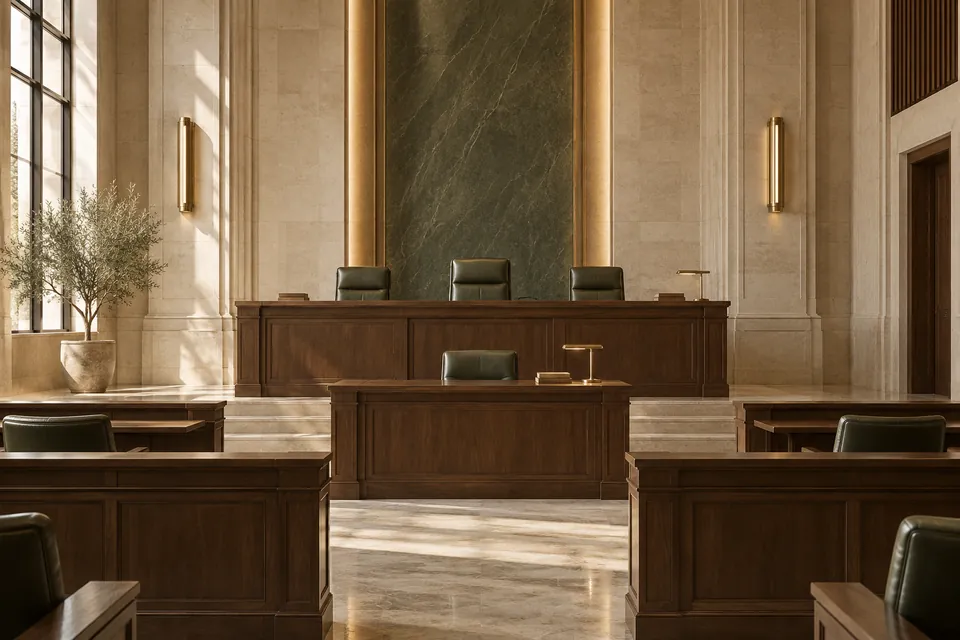
A criminal matter starts with understanding the incident and procedural stage, followed by reviewing evidence, procedures and deadlines. Outcomes depend on the file and competent authorities; no acquittal or specific result is promised.
Service topics
- Misdemeanour and felony matters, depending on the case
- Reports, investigations and evidence review
- Cybercrime, threats and extortion matters
Initial discussion documents
- Report or summons if available
- File references, dates and hearing notices
- Relevant judgments, reports and documents
Start with the procedural stage and date
State whether you need to understand an incident or are dealing with a summons, investigation, hearing or existing judgment. Identify the reference, date and authority shown in the document you hold. For urgent matters, call directly and mention the date first. Sending a message does not confirm acceptance or a lawyer’s attendance at the requested time.
Separate facts from conclusions
Write a short chronology of events and direct knowledge. Identify the relevant record, message or witness for each point without publishing their details. Do not alter original material to prepare a summary; retain the original. Avoid posting admissions, party details or document images in public comments. Discuss the channel and confidentiality with the responsible lawyer.
Agree a defined task
Consultation, record review, attendance and representation at later stages may be different tasks. Ask which stage is covered, who will handle it, what records are needed and what requires another agreement. Do not use an older procedure edition to determine deadlines or attendance rights. Applicable rules require review for the event and date.
An organised discussion
- Define the task, current stage and important date.
- List available and missing records without sensitive details in the general message.
- Discuss scope, responsibility, outputs, fees and the document-sharing channel.
- Before proceeding, review the questions that have been resolved, those that remain open and any work requiring a separate engagement.


What affects timing and fees?
There is no single price for every matter. Factors to discuss here include: the procedural stage, material to review, attendance location, number of hearings and agreed scope for each stage.
Separate professional fees from authority charges, translation, delivery and expenses. Specify included work and any extra approval required. Timing depends on steps, documents and authority schedules; it is not a promise of an outcome or expedited decision.
Topic-specific questions
Does 24/7 contact mean every matter is accepted immediately?
No. Telephone and online response are separate from engagement acceptance and attendance coordination. Ask explicitly whether the particular deadline can be handled.
Is acquittal or case closure guaranteed?
No outcome is guaranteed. The facts, procedure and evidence are reviewed, and counsel identifies matters that can be addressed within the engagement.
A clear next step
Start with the issue, date, country and preferred language. Acceptance, scope and fees are agreed before work starts. The website tool prepares a draft only; use telephone or WhatsApp for actual contact.